

Imokei Co., Ltd.
https://imokei.co.jp- Exports from Japan
- Booth number S2-K33-020
- Japan exhibitors
- Exportable
- Co-exhibitor
- Organizer : JAPAN FEDERATION OF MISO MANFRS CO-OPS

Founded in 1877, Imokei is a miso and tamari soy sauce brewery in Gifu, Japan. Our brewery has 40 large wooden barrels, each about 2.6m tall and 3.3m wide. Gifu’s clean water and mild climate support ideal fermentation, giving our products a deep aroma and natural umami.
We value our community ties and host visits from local kindergartens and elementary schools, sharing fermentation culture with children. This trusted local presence also offers reassurance to overseas partners.
Our products are used in Taiwan, France, and Singapore, receiving praise from chefs in ramen shops, seafood restaurants, meat grills, and vegan kitchens. The natural umami of our miso and the depth of our tamari enhance a wide range of dishes.
At our booth, we will present key product features, overseas usage, and export support including OEM, PB, and foodservice sizes. We also offer flavor and labeling adjustments for local markets.
Rooted in Gifu’s nature and traditions, Imokei continues sincere craftsmanship for global customers. Please visit our booth and experience the flavor created by wooden-barrel fermentation.
| Country / Region | JAPAN |
|---|---|
| Exhibited products | Founded in 1877, Imokei is a miso and tamari soy sauce brewery in Gifu City. We present five signature products that highlight traditional wooden-barrel fermentation. “Kura-dashi Miso” is a soybean miso aged in wooden barrels. It adds UMAMI to soups, hot pots, stews, and works as a base for sauces and marinades. “Yuzu Miso” blends yuzu with mellow miso to create a versatile sweet seasoning. It enhances meat and fish glazes, vegetable dips, and grilled rice balls, fitting both Japanese and fusion cuisine. “Sudachi Miso Dressing” combines sudachi citrus with miso umami. Ready for salads, grilled vegetables, and seafood, it supports health-conscious menus. “Nama-biki Tamari” (Tamari Soy Sauce) is a dense tamari extracted from long-fermented wooden-barrel moromi. With minimal heat, it keeps a smooth aroma and natural thickness, ideal for sushi, sashimi, eel sauce, steaks, and grilled dishes. “Ajikko” (Dashi Soy Sauce) is an all-purpose soy sauce enriched with dashi. Suitable for egg-over-rice, tofu, tempura sauce, hot pots, and stir-fries, it is also used overseas as a ramen “tare” base. |
Exhibit Product
-
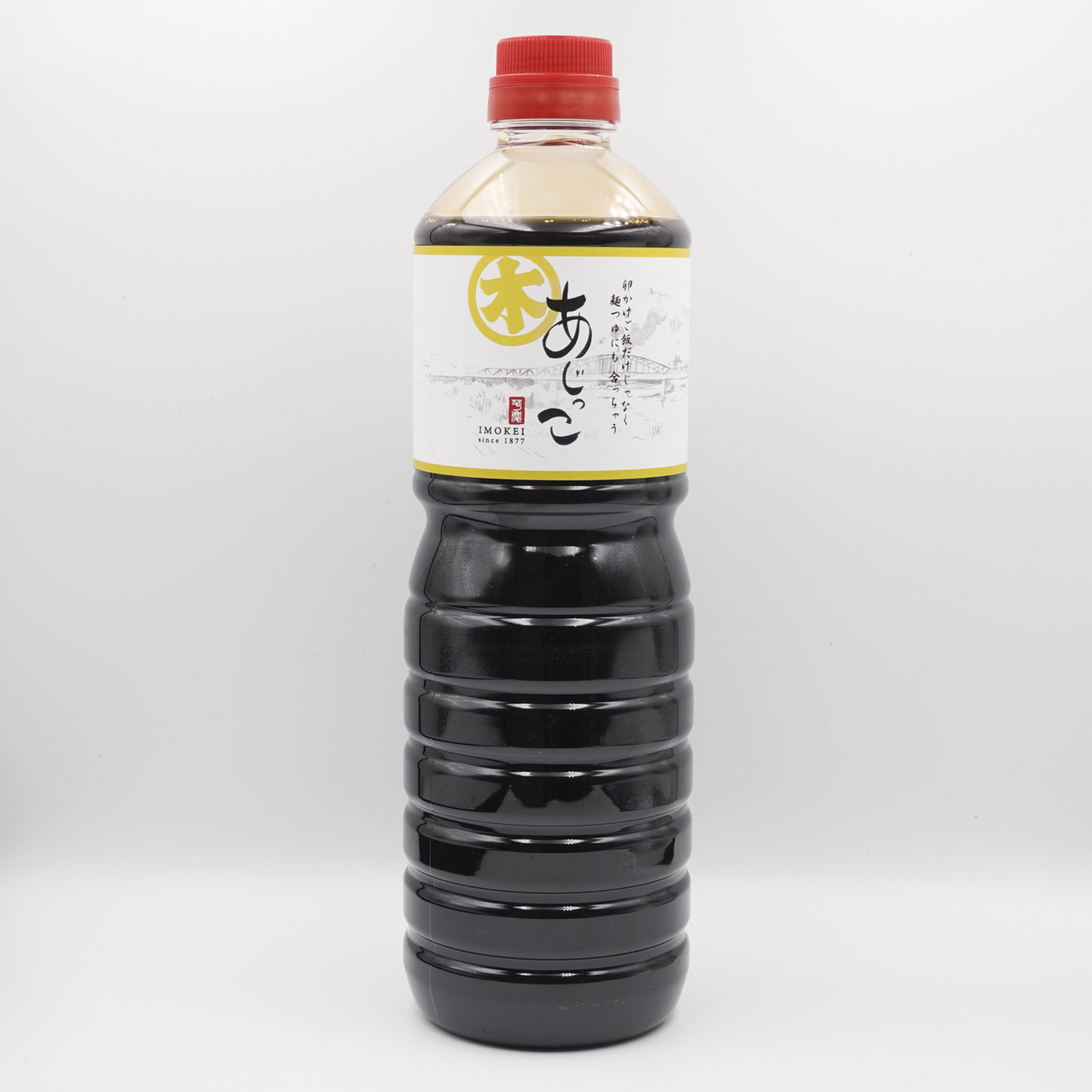
Ajikko (Dashi-infused Soy Sauce)
-
Target Sector
Ramen shops, udon and soba noodle restaurants, canteens and set-meal restaurants, deli and ready-to-eat food manufacturers, foodservice companies handling noodle dishes and simmered dishes; overseas buyers seeking dashi-based concentrated soup bases; central kitchens looking for efficient soup bases; retail buyers.
-
Usage Scenes(Usage/Recipies)
A versatile Japanese-style base that can be used diluted or straight: dipping or soup for zaru soba and hot soba/udon, hotpots, oden, simmered dishes, kenchin vegetable soup, stir-fries, rice bowl sauces, egg over rice, chilled tofu, and as a “kaeshi” base for ramen. It is easy to use in overseas markets and offers chefs high freedom in recipe development.
-
Specialities,Sales point
Ajikko is a concentrated noodle soup base that combines carefully prepared dashi stock from our own factory with our soy sauce. Simply dilute with hot water or cold water to obtain a well-balanced broth, contributing to standardized operations and labor savings. In addition to noodles, it can be used for simmered dishes, dressed vegetables, and stir-fries, enabling multiple menu items to be created from a single product. It is widely used by ramen restaurants in Japan and is highly valued for its flavor consistency and stability. Ajikko also has proven sales records in Taiwan, demonstrating strong acceptance in the Asian market.
We can flexibly supply a wide range of sizes, from 150 ml tabletop bottles to 1 L, 1.8 L, and large 18 L bag-in-box containers, to meet the needs of restaurants, food factories, and mass retailers.
-
Target Sector
-
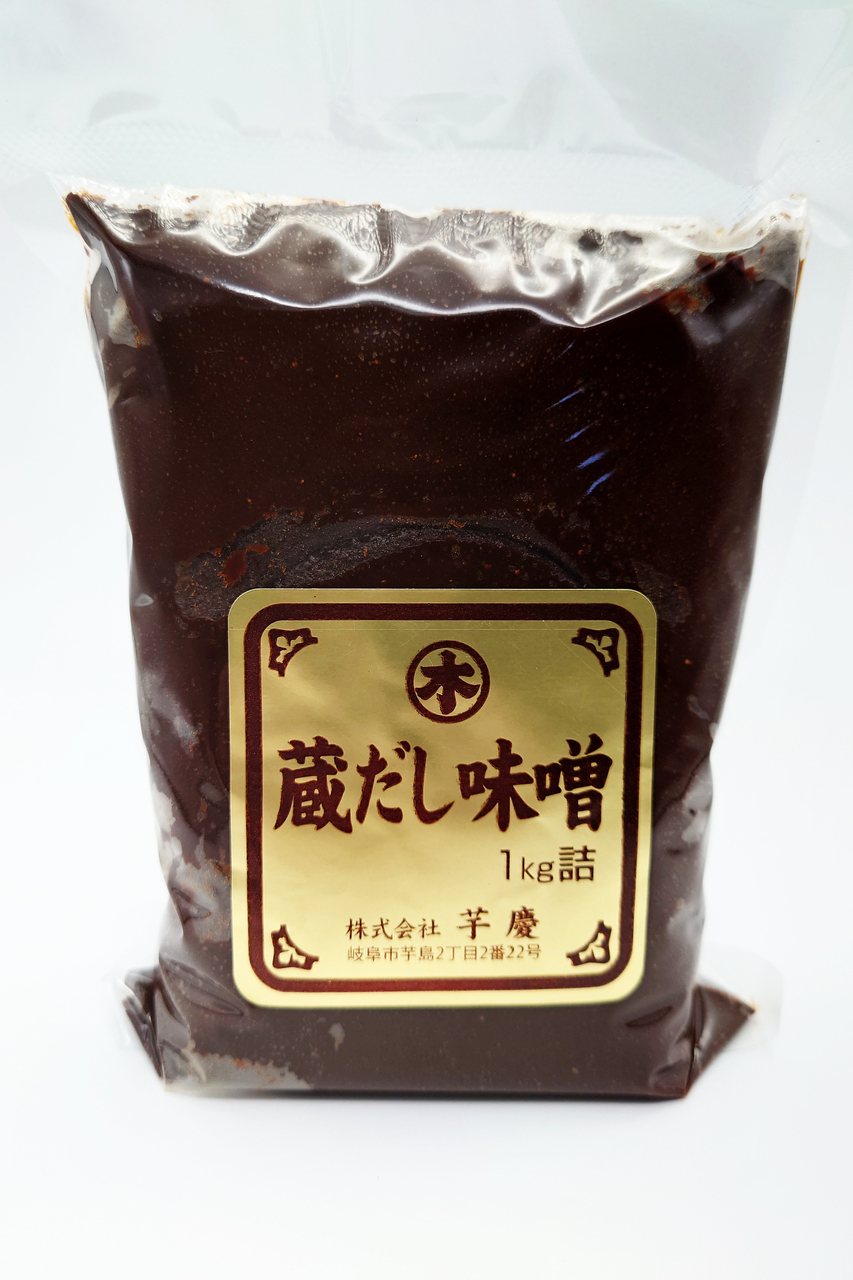
Barrel-Aged Miso
-
Target Sector
Japanese restaurants, izakaya pubs, regional cuisine restaurants; foodservice companies that want to strengthen miso hotpot and stew menus; importers seeking authentic Japanese fermented foods; premium supermarkets and select shops looking for high-quality soybean miso; restaurants in Europe and Asia incorporating Japanese cuisine.
-
Usage Scenes(Usage/Recipies)
Ideal for classic Japanese dishes such as miso soup, hotpot, doteni (stewed offal with miso), miso nikomi udon, and mackerel simmered in miso. It can also be widely used as a seasoning base for main dishes such as miso-marinated meat and fish, miso butter sauces, and vegetarian sauces. Because a small amount provides rich flavor and color, it is suitable for soups, sauces, marinades, and glazes in a wide variety of international cuisines.
-
Specialities,Sales point
This is a pure soybean miso made only from high-quality soybeans and salt, slowly aged for more than 18 months in traditional wooden barrels. It is characterized by a deep and complex umami and aroma unique to wooden-barrel aging, as well as a powerful reddish-brown color. Just a small amount is enough to significantly enhance the overall flavor of a dish. No chemical seasonings or synthetic preservatives are used; the taste is created solely by the quality of the ingredients and the power of natural fermentation. It pairs very well with dashi stock and spices and is suitable not only for miso ramen and miso hotpot, but also for European-style stews and sauces, as well as plant-based menus combined with vegetable broth. It is already used by restaurants in Singapore and highly regarded by professional chefs overseas as “authentic Japanese miso.”
-
Target Sector
-
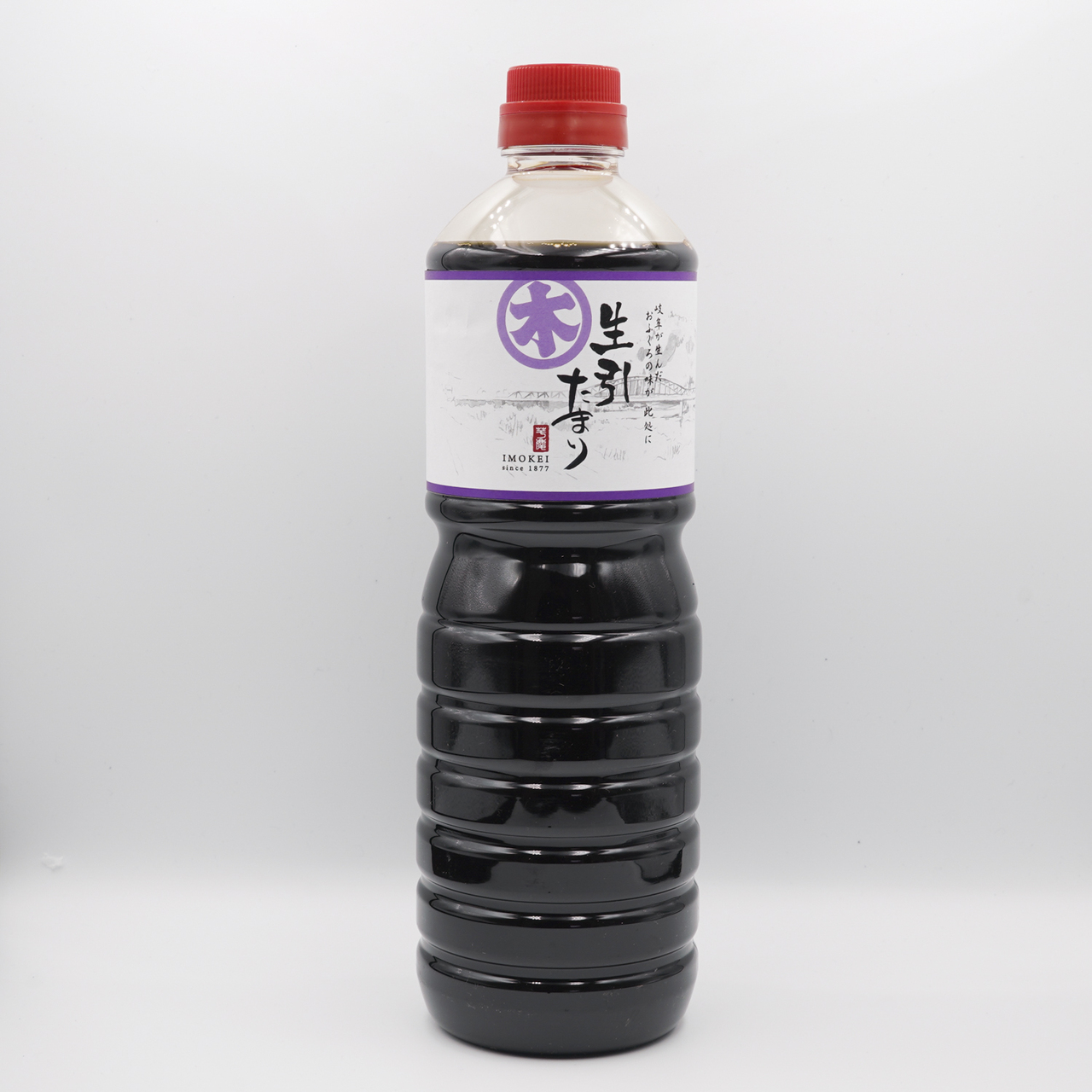
Kibiki Tamari (Tamari soy sauce)
-
Target Sector
Sushi bars, tempura restaurants, Japanese restaurants, yakitori shops; foodservice operators that place high importance on soy sauce quality; overseas buyers seeking traditional Japanese soy sauces; premium supermarkets and select shops; restaurants specializing in wagyu beef and seafood.
-
Usage Scenes(Usage/Recipies)
Ideal for sashimi, sushi, tataki, teriyaki, kabayaki (grilled eel with sweet soy sauce), sukiyaki, simmered fish, grilled vegetables, steak sauces and other dishes across authentic Japanese and fusion cuisines. Its concentrated umami and viscosity give sauces a glossy finish and deep flavor.
-
Specialities,Sales point
This is a regional specialty tamari soy sauce from the Tokai area, made only from the portion that naturally accumulates in the wooden barrels (the “namabiki” portion). Aged for more than 18 months, it features extremely rich umami and a dark color that adds premium depth and shine to dishes. Produced in a soy sauce factory certified under the Japanese Soy Sauce (JAS) standard, it offers quality and safety that meet international expectations.
We can supply a wide range of formats, from 150 ml retail bottles to 1 L and large 18 L bag-in-box containers for foodservice, making it suitable for restaurants, food manufacturers, and wholesalers.
-
Target Sector
-
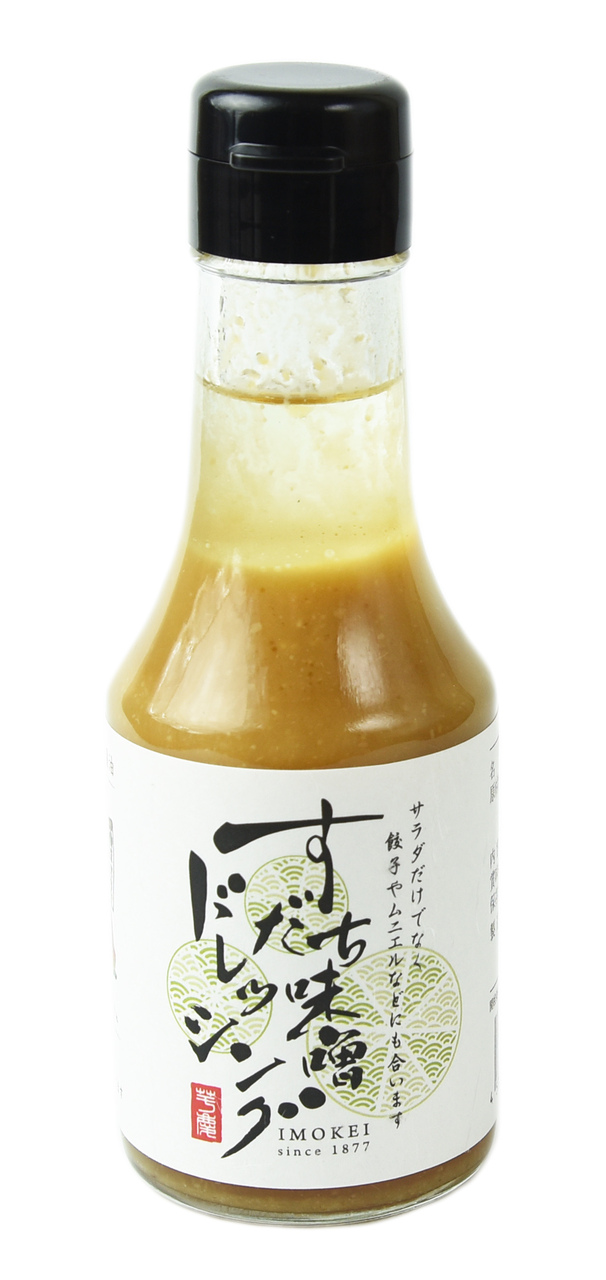
Sudachi Miso Dressing
-
Target Sector
Hotels and restaurants with salad bars and buffets; foodservice chains that want to promote chilled noodle or shabu-shabu menus; importers seeking Japanese-style salad dressings and table condiments; retail buyers proposing Japanese–Western fusion menus; high-end supermarkets in Asia that handle Japanese food products.
-
Usage Scenes(Usage/Recipies)
Suitable for green salads, seaweed salads, chilled shabu-shabu, carpaccio, sautéed or grilled fish, grilled chicken, dipping sauce for gyoza dumplings, and dipping sauce for chilled udon noodles. It works year-round as a multifunctional dressing “to pour, toss, or dip.” Used as a sauce or marinade for carpaccio, it easily creates a “Japanese-style” dish with the aroma of sudachi citrus and the richness of miso.
-
Specialities,Sales point
This Japanese-style miso dressing combines the refreshing aroma and acidity of sudachi citrus from Tokushima Prefecture with the umami of GIFUKU Miso from Gifu. It delivers both a clean citrus finish and the depth of miso, making it an excellent match for oily and meat dishes while remaining light on the palate—perfect for today’s health-conscious consumers. In addition to use as a salad dressing, it can serve as a noodle dipping sauce or a sauce for seafood and meat dishes, allowing you to design multiple menu items with just one product. It already has sales records in supermarkets in Taiwan, where it is recognized in the Asian market as a “Japanese Citrus Miso Dressing.”
-
Target Sector
-
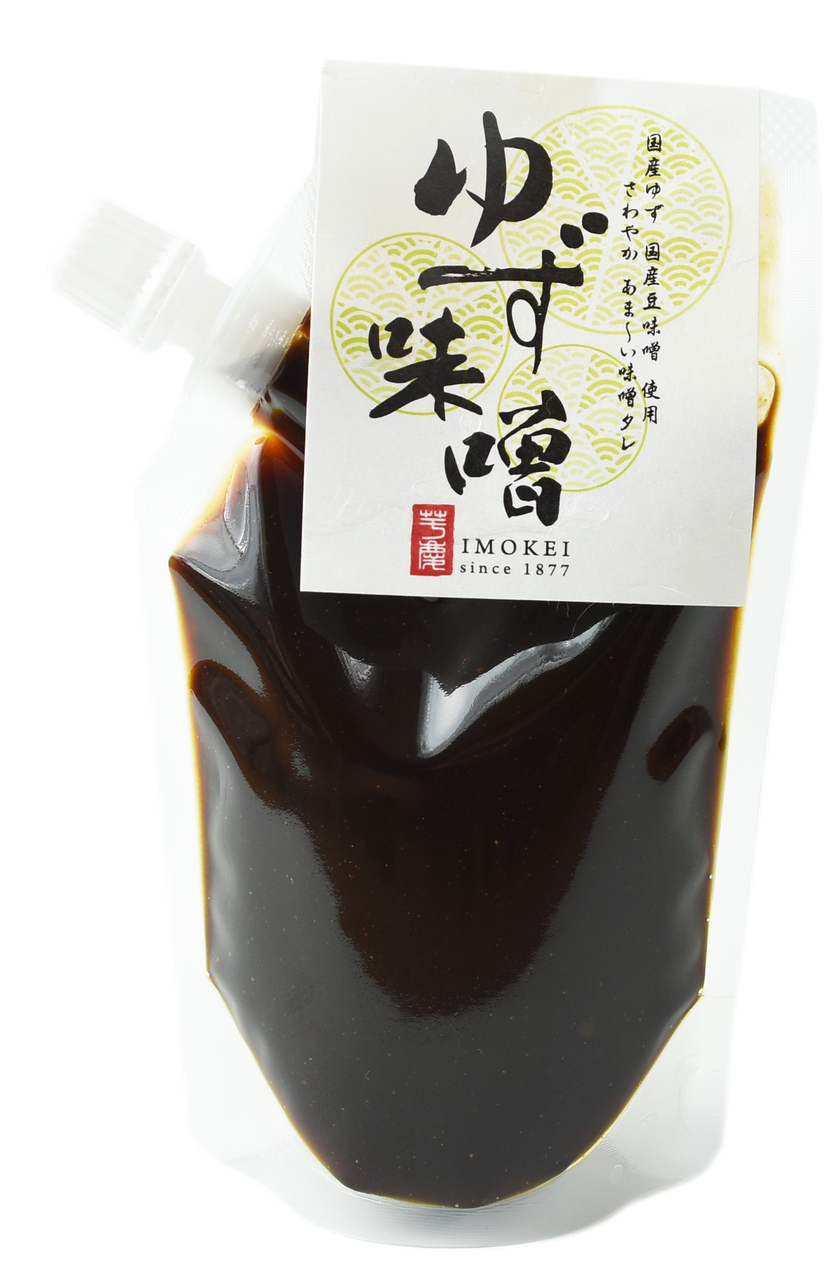
Yuzu miso
-
Target Sector
Izakaya pubs, oden specialty shops, yakitori restaurants, Japanese deli counters; restaurants wishing to strengthen vegetable and healthy menus; retail and e-commerce buyers seeking convenient Japanese-style sauces; overseas buyers interested in Japanese citrus seasonings; restaurants introducing vegetarian-friendly menu items.
-
Usage Scenes(Usage/Recipies)
A versatile seasoning that can be simply “poured or spread” to complete a dish: oden hotpot, simmered daikon radish, dengaku (grilled items with miso glaze), dips for warm or raw vegetables, grilled rice balls, sauces for fried chicken or roast chicken, toppings for baked or grilled fish, and seasoning for tofu and grilled vegetables. It can also be blended with mayonnaise or oil to create original dips and dressings.
-
Specialities,Sales point
This Japanese-style citrus sauce combines the refreshing aroma and acidity of domestically grown yuzu citrus with the mellow richness of “GIFUKU Miso,” made from soybeans produced in Gifu Prefecture. No chemical seasonings or synthetic preservatives are used. The bright citrus aroma and the umami of miso are both clearly expressed, creating a well-balanced match with meat, fish, and vegetables alike. It comes in an easy-to-use pouch, allowing you to squeeze out just the amount you need, reducing waste both in professional kitchens and at home. With its well-balanced sweetness and acidity, it is enjoyable for both children and adults, and is easy to present in overseas markets as a “Japanese Yuzu Miso Sauce.”
-
Target Sector