

KORIYAMA SEIAN Co.、Ltd
https://k-seian.com/- Local Specialities in Japan
- Booth number S4-N38-007
- Japan exhibitors
- Exportable
- Co-exhibitor
- Organizer : Fukushima Center For Industrial Promotion

This time, we will focus on exhibiting commercial-use red bean paste, showcasing our main lineup of commercial products, offering tastings, and providing samples. We hope to introduce our company's technical expertise and dedication to a large number of visitors.
| Country / Region | JAPAN |
|---|---|
| Exhibited products | We are an anko (sweet red bean paste) manufacturer with 50 years of history located in Koriyama City, Fukushima Prefecture. We offer a wide range of anko for commercial use and sell mainly to Japanese confectionery shops and bakeries in the central region of Fukushima Prefecture. This time, we are exhibiting our commercial anko. We produce various types of kneaded anko (such as smooth koshian, chunky tsubuan, and white anko) according to our customers’ needs, and we can also accommodate original recipes. Our company is committed to using carefully selected ingredients and maintaining stable quality with a dedication to safety and peace of mind. Our motto is 'customer first,' and we strive every day to respond flexibly to our customers’ ever-changing needs. The features of our products, developed through these efforts, include the use of high-quality ingredients (such as Hokkaido-grown azuki beans), sterilization processing using retort kettles for long-term storage, and the ability to adjust sweetness and flavor according to usage. We also offer seasonal and fruit-filled creative anko varieties, such as white peach anko, strawberry anko, yuzu koshian, and cherry anko. |
Exhibit Product
-
Baked sweet potato paste
-
Target Sector
Customers (especially in-store bakeries) who are looking to create unique products using sweet bean paste made from domestically grown sweet potatoes as an ingredient in confectionery and bread.
-
Usage Scenes(Usage/Recipies)
Due to its mass production and stable quality, commercial-grade anko is used in a variety of industries (Japanese confectionery shops, cafes, restaurants, anpan (sweet bean buns), events) and occasions. Its uses are expanding to many occasions, making it a very convenient ingredient in terms of quality and cost.
-
Specialities,Sales point
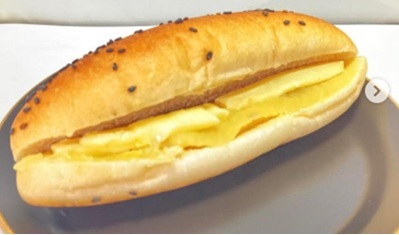
Yakiimo An is a bean paste made using domestically grown sweet potatoes that makes the most of the sweetness and flavor of baked sweet potatoes, and has the following characteristics.
Sweetness: It has the natural sweetness unique to baked sweet potatoes, with a high sugar content and a rich taste.
Texture: It has a fluffy texture and is diced, bringing out the full flavor of the baked sweet potato.
Nutritional value: It is rich in dietary fiber and vitamin C, making it a popular healthy sweet treat.
Uses: It is often used widely as an ingredient in Japanese sweets, bread, and other desserts.
-
Target Sector
-
Cassis bean paste
-
Target Sector
People who like Japanese sweets, especially traditional Japanese sweets (dorayaki, ohagi, manju, etc.). People who don't particularly like red bean paste.
-
Usage Scenes(Usage/Recipies)
Due to its mass production and stable quality, commercial-grade anko is used in a variety of industries (Japanese confectionery shops, cafes, restaurants, anpan (bean buns), events) and occasions. Its uses are expanding to many occasions, making it a very convenient ingredient in terms of quality and cost.
-
Specialities,Sales point
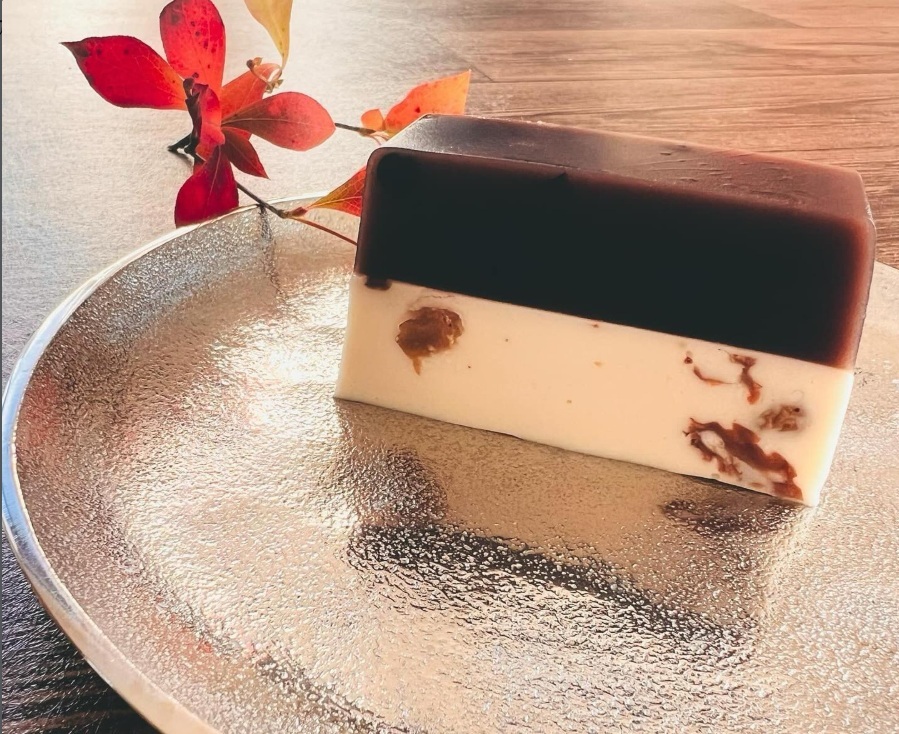
The bean paste is made from white bean paste, ground whole black currants, and then kneaded with black currant puree, which has the fruit's natural sweet and sour flavor and aroma, and black currant powder, which has a natural sweet and sour flavor, sourness, and a slightly bitter taste. For higher-priced black currant bean paste, it is also possible to add dried blueberries to bring out the fruity flavor even more.
-
Target Sector
-
Frozen raw bean paste
-
Target Sector
Customers who want to make their own original bean paste using raw bean paste, but are unable to do so. Customers who cannot order raw bean paste immediately because there is no bean paste shop nearby.
-
Usage Scenes(Usage/Recipies)
It can be used as an ideal base for original bean paste in confectionery, bread, and Japanese and Western sweets, such as Japanese sweets (manju, daifuku, dorayaki), Western sweets (muffins with bean paste, bean paste tart), bread (anpan, bean paste danish), cafe menus (bean paste lattes, bean paste parfaits), etc.
-
Specialities,Sales point
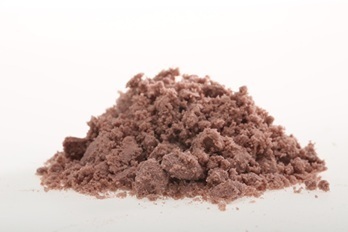
The raw bean paste is carefully cooked to preserve the original flavor of the ingredients, then strained to a melt-in-your-mouth texture before being frozen. The flavor and aroma of the beans are perfectly locked in. It comes in easy-to-use 2.5kg individual packs, allowing you to defrost only the amount you need. This reduces waste and improves work efficiency.
-
Target Sector
-
Lemon paste
-
Target Sector
People who like Japanese sweets, especially traditional Japanese sweets (dorayaki, ohagi, manju, etc.). People who don't particularly like red bean paste.
-
Usage Scenes(Usage/Recipies)
Due to its mass production and stable quality, commercial-grade anko is used in a variety of industries (Japanese confectionery shops, cafes, restaurants, anpan (bean buns), events) and occasions. Its uses are expanding to many occasions, making it a very convenient ingredient in terms of quality and cost.
-
Specialities,Sales point
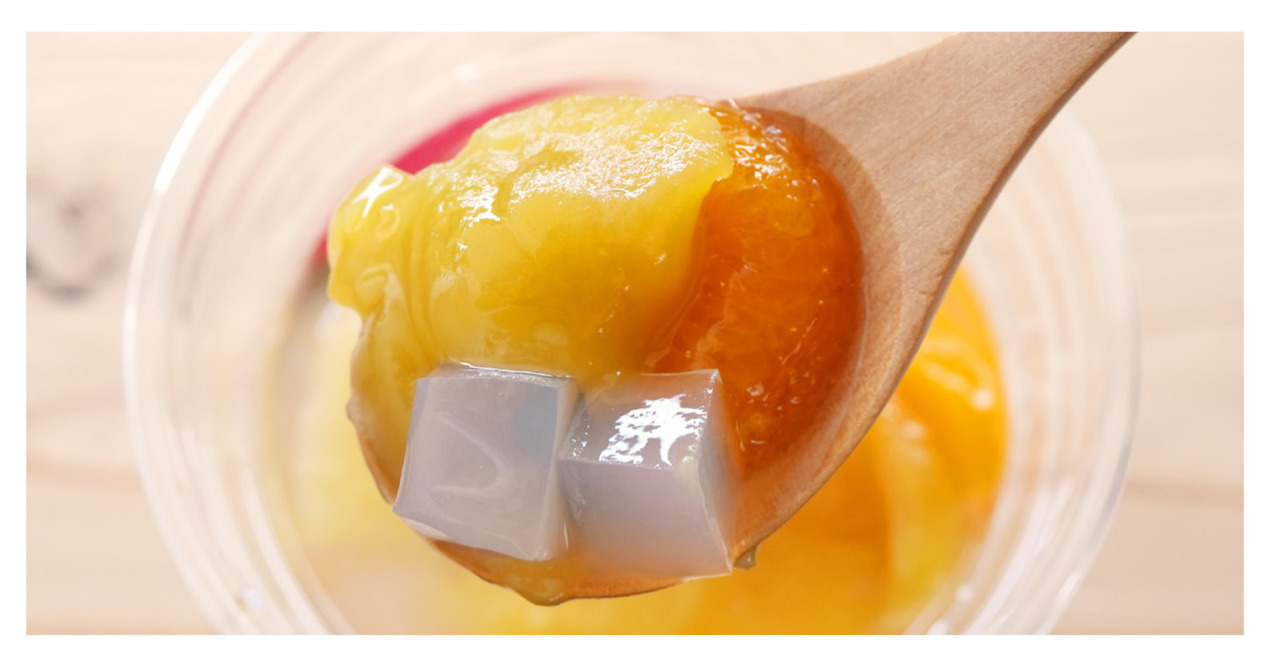
The bean paste is made by kneading together white bean paste, a paste made by grinding lemon peel and pulp to create a granular texture, and lemon powder, made from whole lemons.The lemon bean paste is made using lemon peel and pulp, and is characterized by its sour taste and refreshing aroma.
-
Target Sector
-
White peach paste
-
Target Sector
People who like Japanese sweets, especially traditional Japanese sweets (dorayaki, ohagi, manju, etc.). People who don't particularly like red bean paste.
-
Usage Scenes(Usage/Recipies)
Due to its mass production and stable quality, commercial-grade anko is used in a variety of industries (Japanese confectionery shops, cafes, restaurants, anpan (bean buns), events) and occasions. Its uses are expanding to many occasions, making it a very convenient ingredient in terms of quality and cost.
-
Specialities,Sales point
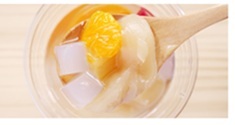
The bean paste is made from white bean paste, which is mixed with white peach juice and skin from "Akatsuki" peaches from Fukushima Prefecture, white peach powder with a vivid aroma from the pits and a natural aftertaste from the puree, fresh white peach pulp, and domestic white peach puree to create a gently sweet sauce. It is characterized by the gentle sweetness and flavor of white peach.
-
Target Sector