
Milky Glass
- Tableware (Ceramics, Lacquerware, Silverware, Glassware, Bamboo, Wooden, etc.)
- Glassware
-
Target Sector
Hotels, restaurants, kaiseki cuisine, etc.
-
Usage Scenes(Usage/Recipies)
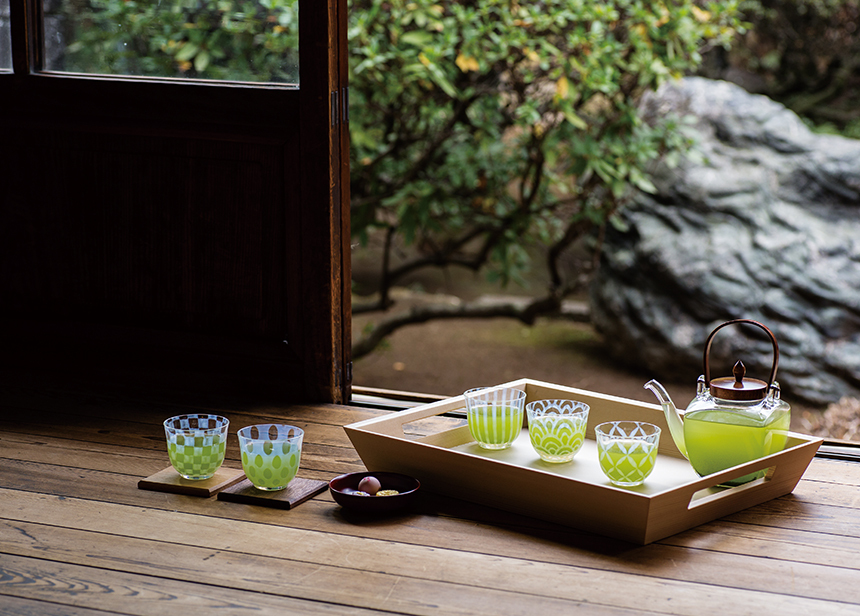
Sake, aperitifs, iced tea, etc.
-
Specialities,Sales point
Research into Japanese glass is not active in Japan, and the traditional glass production methods that have been used since the Meiji period were in danger of falling into disuse. In the 1980s, Hirota Glass designed the Taisho Roman Glass Series, a reproduction product series, through trial and error, to revive the "milky glass" glass production method that was all the rage during the Taisho period.
The aburidashi technique used to create "milky glass" was popular during the Meiji and Taisho periods, but today, with the exception of antique shops, it is rare to come across glass made using this technique.
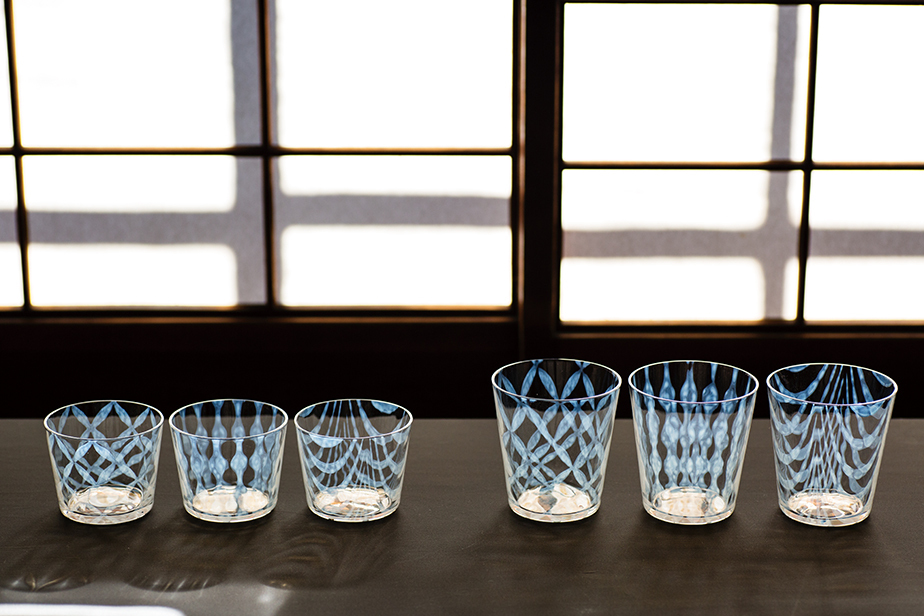
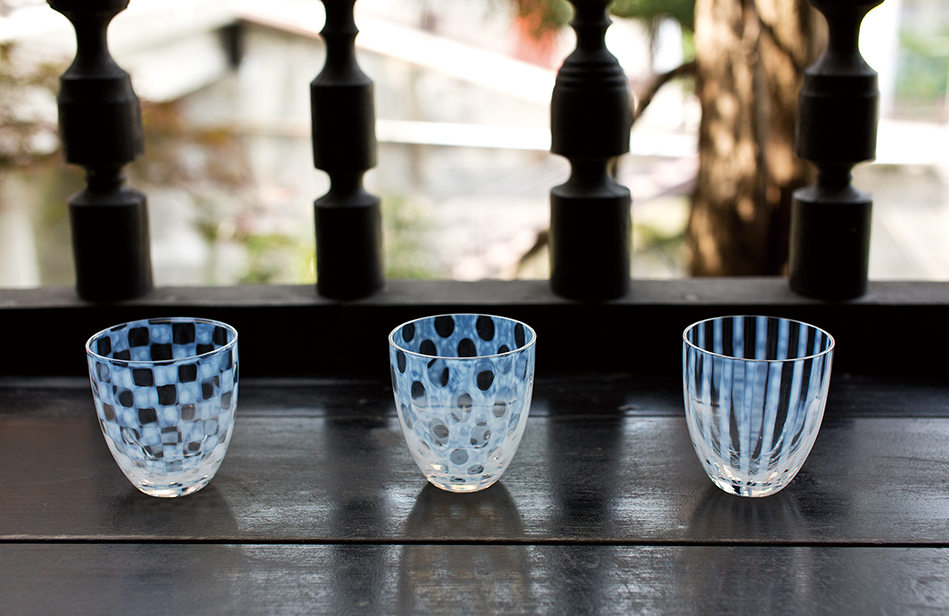
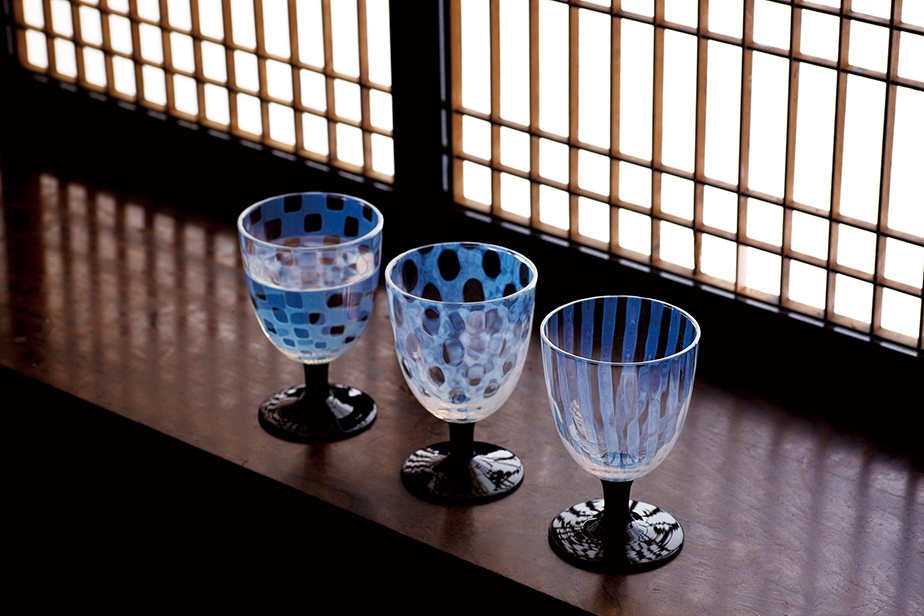
The milky white color is achieved by using a material containing natural elements called bone ash, and exposing the glass to sudden temperature changes during molding. This beautiful product features a variety of milky patterns applied to clear glass. - Countries of Trade
U.S.A. : Both direct and indirect transactions are acceptable
| Size / capacity | 72mm×60mmH 120ml |
|---|---|
| Catalog PDF file |
HirotaGlass
https://hirota-glass.co.jp/- Japan exhibitors
- Exportable
- HCJ 2026
- Tableware
- Booth number E5-Q18
| Exhibited products | The exhibit will mainly feature Edo Kiriko and Edo Glass made in Tokyo. |
|---|