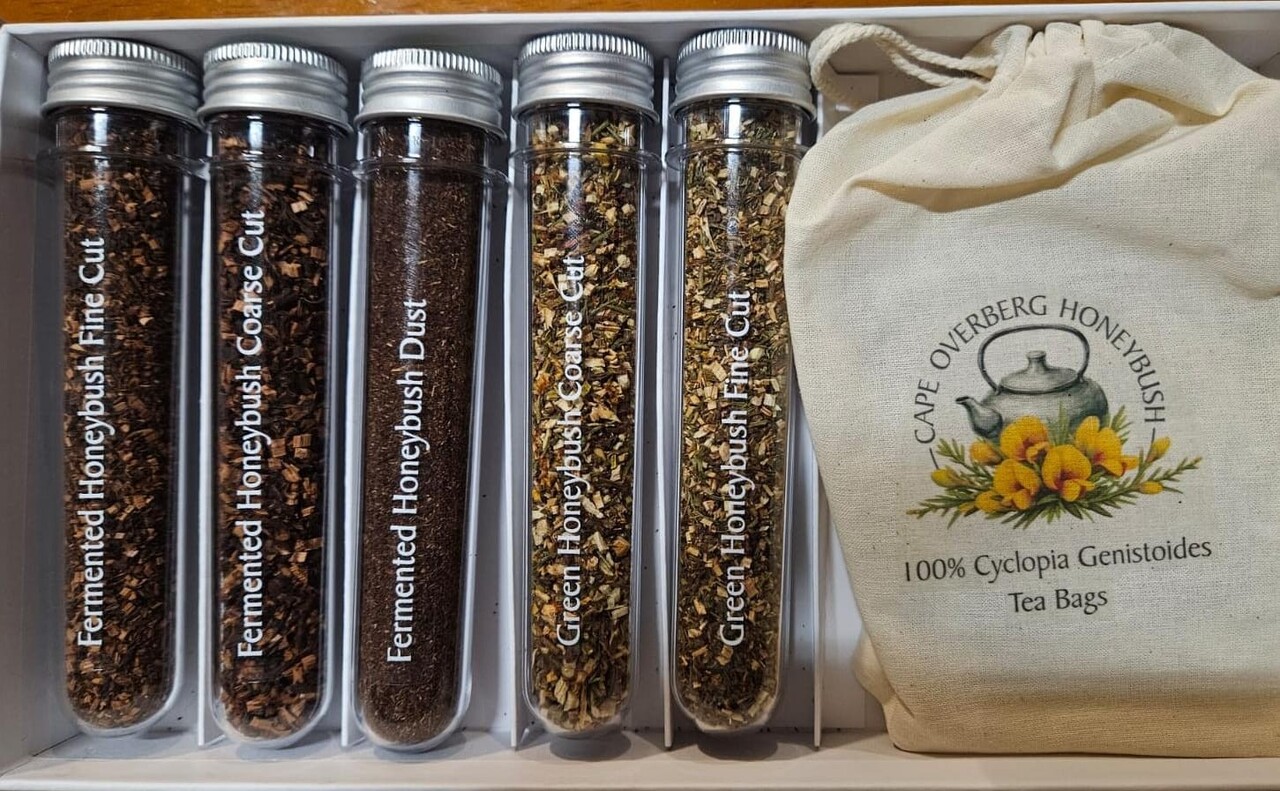
-
Target Sector
Tea wholesaler
Health conscious beverage consumers
Speciality food and beverage industry
Cosmetic and skincare industry
Nutraceutical and Wellness Industry
-
Usage Scenes(Usage/Recipies)
1. Premium Slow-Life Cafés
Served as a high-end, caffeine-free herbal tea to customers seeking relaxation and "me-time."
2. Mixology & Cocktail Bars
Used as a botanical infusion in artisanal cocktails, mocktails, and syrups.
3. Nightly Wind-Down Ritual
Consumed before bed as a natural sleep aid and stress reliever.
4. Post-Meal Digestif
Offered after meals in restaurants to aid digestion and soothe the stomach.
5. Skincare & Beauty Therapy
Applied in spas or at-home routines as a facial toner or bath soak for anti-aging benefits.
6. Menopause Symptom Relief
Used as a daily herbal remedy by women to manage hot flushes naturally.
7. Functional Iced Tea
Consumed as a refreshing, guilt-free alternative to sugary drinks during summer.
-
Specialities,Sales point
1. The Anti-Aging Molecule (Mangiferin)
Honeybush is one of the richest natural sources of Mangiferin (a super-antioxidant also found in mangoes), which is directly linked to skin health and cellular repair.
2. The Two Crops in One Advantage
Don't just sell a tea; sell a raw material. Unfermented (Green) Honeybush retains significantly higher antioxidant levels, while Fermented offers the deep, sweet honey-vanilla flavor . This versatility allows buyers to source one plant for two distinct markets: wellness beverages and cosmetic ingredients .
3. The Sustainability Guarantee (Fynbos Biodiversity)
Honeybush is a pioneer species that helps regenerate degraded soil and suppress invasive weeds. For ESG-conscious Japanese corporations, this moves the product from a simple purchase to a biodiversity partnership.
4. The Farmer's Brew Strength
Honeybush can be simmered for 10-20 minutes without becoming bitter, releasing deeper sweetness and minerals. Perfect for the food service industry (restaurants/cafes) where consistency and robustness are key.